
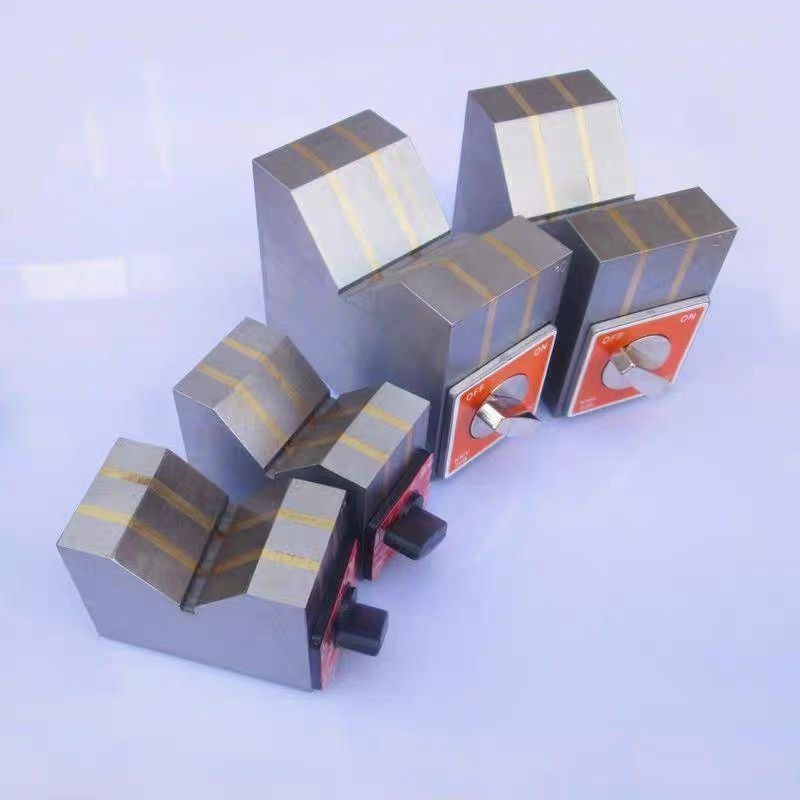
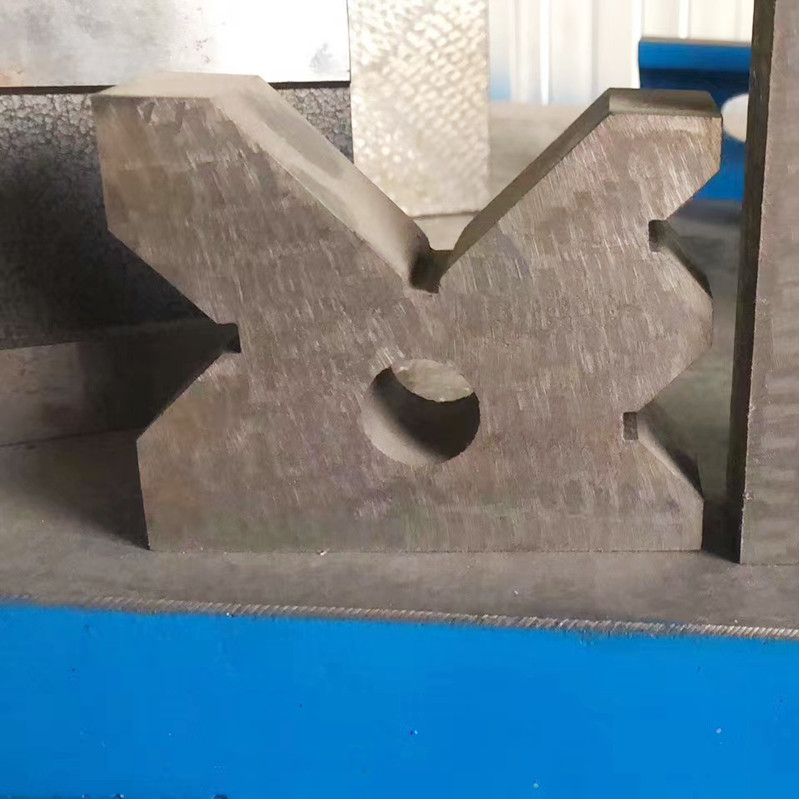
u profil glass
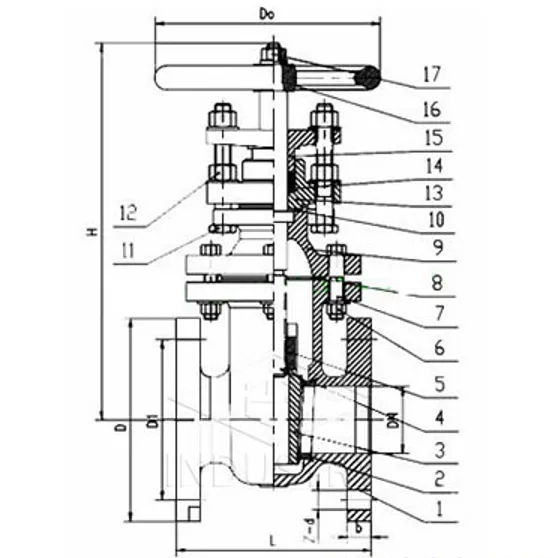
Understanding the Gate Valve DN80 A Comprehensive Overview When it comes to fluid control in various industrial applications, the gate valve is one of the most popular types of valves used today. Specifically, the DN80 gate valve holds a significant position due to its size and versatility. DN, or Diameter Nominal, references the valve's nominal size in millimeters; thus, DN80 indicates a valve with a diameter of 80 millimeters. What Is a Gate Valve? A gate valve is primarily designed to allow or obstruct the flow of fluid. Unlike other valve types, such as globe valves or ball valves, gate valves are either fully open or fully closed. They are known for their exceptional sealing ability and minimal flow resistance when fully open. This feature makes them ideal for applications where a straight-line flow of fluid is necessary. Design and Construction The gate valve DN80 typically features a steel or cast iron body, with various internal components that can vary depending on the application. The internal mechanism consists of a gate or wedge that moves up and down, driven by a handwheel or actuator. When the handwheel is turned, the gate moves down into the flow path to close the valve or rises to open it. The design of the DN80 gate valve ensures durability and reliability. Many are equipped to handle high pressures and can withstand varying temperatures, making them suitable for both cold water services and hot applications, such as steam and oil transport. Applications of DN80 Gate Valves gate valve dn80 The DN80 gate valve finds application across a wide range of industries, including waterworks, wastewater treatment, oil and gas, and power generation. In water distribution systems, these valves help manage the flow of water between different sections of pipelines. In the oil and gas industry, they are used to control the flow of crude oil or natural gas in various processing stages. One of the key advantages of using a DN80 gate valve is its ability to provide a tight seal. This capability prevents fluid leakage, which is essential for safety and environmental concerns. Furthermore, when the valve is fully open, it presents minimal resistance to fluid flow, thereby preserving system efficiency. Maintenance and Operation Like any mechanical device, the DN80 gate valve requires routine maintenance to ensure longevity and optimal performance. Operators should regularly check for signs of wear, corrosion, or any leakage. It’s essential to exercise the valve periodically to prevent it from seizing or becoming stuck in the closed position. In terms of operation, the valve should always be opened and closed gradually to avoid sudden pressure fluctuations that could damage the valve seat or associated pipework. Conclusion In conclusion, the DN80 gate valve is an indispensable component in various industrial systems. Its robust design, reliability, and effective flow control make it a preferred choice among engineers and operators alike. Understanding the features and maintenance requirements of the DN80 gate valve is essential for anyone involved in fluid management, ensuring both efficient operation and safety in any industrial setting. Whether it’s controlling water flow or managing hydrocarbons, the DN80 gate valve stands out as a critical element in the engineering and operational toolkit.
about
u profil glass
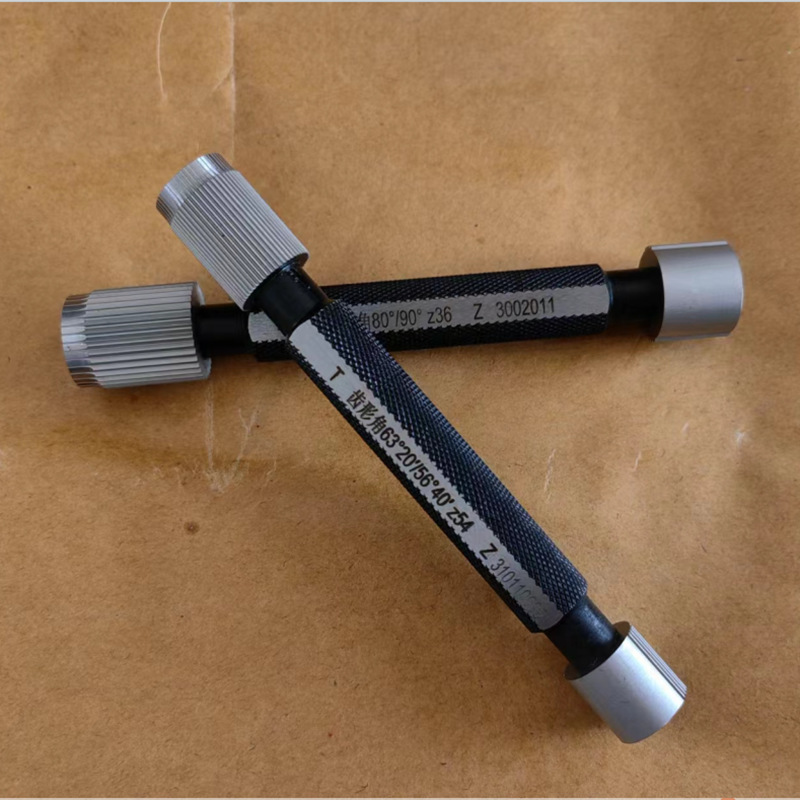
For tradespeople and technicians, precision is key. A variety of specialized gauges, such as the thread measuring gauge , differential gauge , and metal marking gauge , ensure that every measurement and marking is exact. This guide will highlight the features and benefits of these essential tools, offering insights into how they enhance accuracy in various applications. Understanding the Importance of the Thread Measuring Gauge A thread measuring gauge is indispensable when checking thread pitches and angles in bolts, nuts, and screws. This gauge is designed to verify thread standards quickly and accurately, whether in a factory setting or on-site work. By using a thread measuring gauge, technicians can avoid mismatches and ensure a secure fit, which is crucial for structural integrity in construction, automotive, and mechanical applications. Applications and Benefits of the Differential Gauge In systems that require pressure measurement, the differential gauge is an essential tool. Unlike standard pressure gauges, differential gauges measure the difference in pressure between two points, making it ideal for monitoring fluid flow in pipes, filters, or HVAC systems. Using a differential gauge improves system performance, helping detect blockages or pressure drops that may indicate maintenance needs, ensuring operational efficiency and safety. Precision Marking with the Metal Marking Gauge For anyone working with metal, a metal marking gauge is a tool that enhances accuracy in layout and cutting tasks. This gauge allows for precise lines and markings on metal surfaces, ensuring that each measurement is accurate before cutting, welding, or drilling. The metal marking gauge is commonly used in metalworking, fabrication, and construction to create exact markings, ultimately saving time and reducing errors. Choosing the Right Gauge for Your Needs When selecting a gauge, consider the specific requirements of your work. For threaded components, a thread measuring gauge is ideal, while fluid and pressure systems will benefit from a differential gauge . Meanwhile, a metal marking gauge is best for precise markings on metal surfaces. Choosing the correct gauge can streamline your workflow, improve accuracy, and enhance overall efficiency in your projects. Maintenance Tips for Longevity and Accuracy To ensure these tools perform well over time, proper maintenance is essential. For a thread measuring gauge , clean threads after each use to prevent buildup that could impact readings. For a differential gauge , regularly inspect connections and recalibrate as needed. Keep your metal marking gauge sharp and clean for consistent markings. Regular upkeep of each gauge not only extends its lifespan but also guarantees reliable performance for all future tasks. In conclusion, tools like the thread measuring gauge , differential gauge , and metal marking gauge are critical for achieving precision and efficiency in a range of industrial and craft applications. By selecting the right tool for each task and maintaining it well, you’ll ensure accurate results every time.
-

High quality industrial productsagement

High quality industrial products
View Details -

Meet the diverse needs of customers

Meet the diverse needs of customers
View Details -

Strict quality control

Strict quality control
View Details -

Top raw materials

Top raw materials
View Details -

Trusted supplier

Trusted supplier
View Details
Our application

news and information
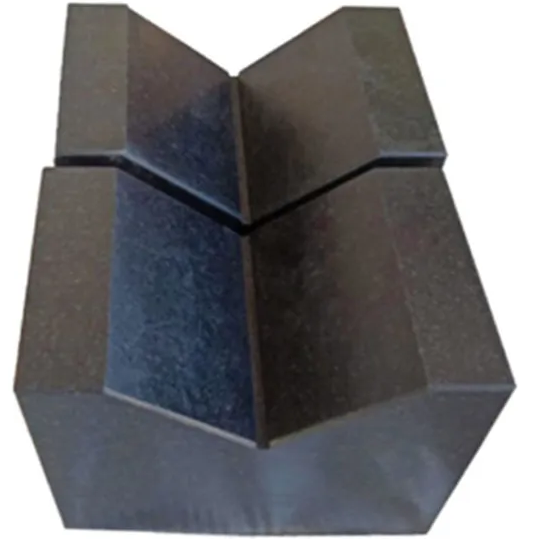
Wooden frame construction with truss plates and nails for added structural support.
Wood frame construction has been a popular building method for centuries, providing a versatile and

Veden sulkuventtiilin paikantaminen käytännön vinkkejä ja ohjeet
Veden sulkuventtiilin löytäminen Opas ja vinkit Veden sulkuventtiili on olennainen osa kodin vesijär
Vibration Reduction Pads
Anti-Vibration Pads A Revolution in Equipment Protection In the modern world, vibration is an inevi
 English